From the farmOctober 15, 2026
Basil Turns Black in Cold Places
Basil is one of the rare vegetables that spoils faster the colder you keep it. Below 12℃, its leaves turn brown and lose their aroma — a condition called chilling injury. Here we look at the causes, and at what changes from the growing stage onward.
Leafy greens and herbs generally keep longer the colder they are stored. Watercress and mint are said to stay fresh for up to four weeks at 0℃. Basil is the opposite. Store it in a cold place alongside other vegetables and its leaves turn black within days. It hasn't rotted. It has been injured by the cold. This is called chilling injury.
Injury Below 12℃
A review paper published in 2023 in the journal Frontiers in Plant Science by researchers at Rutgers University in the United States explains that basil is highly sensitive to cold, a trait widely found in plants of tropical origin. According to the paper, basil leaves deteriorate when stored at temperatures below 12℃, and the damage becomes severe below 10℃.
The symptoms are visible. Spots appear on the leaves or they turn brown, lose their firmness, and wilt. The same paper cites research showing that the time until basil first showed signs of deterioration averaged 8.3 days at 10℃, 3.2 days at 5℃, and 1.6 days at 0℃. The colder it was, the faster it spoiled.
The reason leaves blacken lies in the cell membranes. In a paper published in the same journal that same year, researchers at the University of California, Davis, in the United States explain that when exposed to cold, cell membranes gradually lose their integrity and the ions and substances inside leak out, which manifests in the leaves as browning and discoloration.
The Aroma Goes First
Basil is a vegetable eaten for its aroma. Chilling injury takes that aroma too. The Davis researchers placed Genovese basil and lemon basil at 5℃, 10℃, and 15℃ and measured the compounds that produce their aroma. Leaves kept at 5℃ suffered more severe chilling injury than those kept at 10℃ or 15℃, and lost more of their aroma compounds as well.
The same paper also relays prior research indicating that the loss of aroma and flavor can occur before any visible symptoms appear. In other words, even when the leaves still look fine, the aroma may already have diminished.
Why Distribution Is Difficult
The problem is that basil does not travel alone. The Rutgers paper notes that basil's cold sensitivity is a major problem for growers, distributors, and retailers alike. That is because basil and herbs are often stored and transported at low temperatures together with other fresh vegetables in order to reduce disease and spoilage.
Yet it cannot simply be kept warm either. Higher temperatures mean more microbial growth. The paper concludes that keeping the storage temperature at 12–15℃ is the compromise that addresses chilling injury, aroma, and microbes together. It also notes that as of 2023, when the paper was published, no sweet basil variety confirmed to be cold-tolerant was yet commercially available.
It Starts with How You Grow It
It is not only about the temperature after harvest. The Rutgers paper gathers a number of studies showing that cultivation methods change post-harvest quality.
One factor is the time of harvest. Sweet basil harvested at 6 p.m. lasted nearly twice as long at 10℃ and 20℃ as basil harvested at dawn. Another is light. One study found that adding far-red light during the final three weeks of cultivation increased the plant's ability to withstand cold after harvest. The paper addresses separately the point that in indoor cultivation, the composition of light can affect post-harvest chilling damage.
Conversely, some things remain unknown. The paper notes that it is not clear how temperature during cultivation and the number of hours of light provided per day affect post-harvest quality.
How N.THING Grows Basil
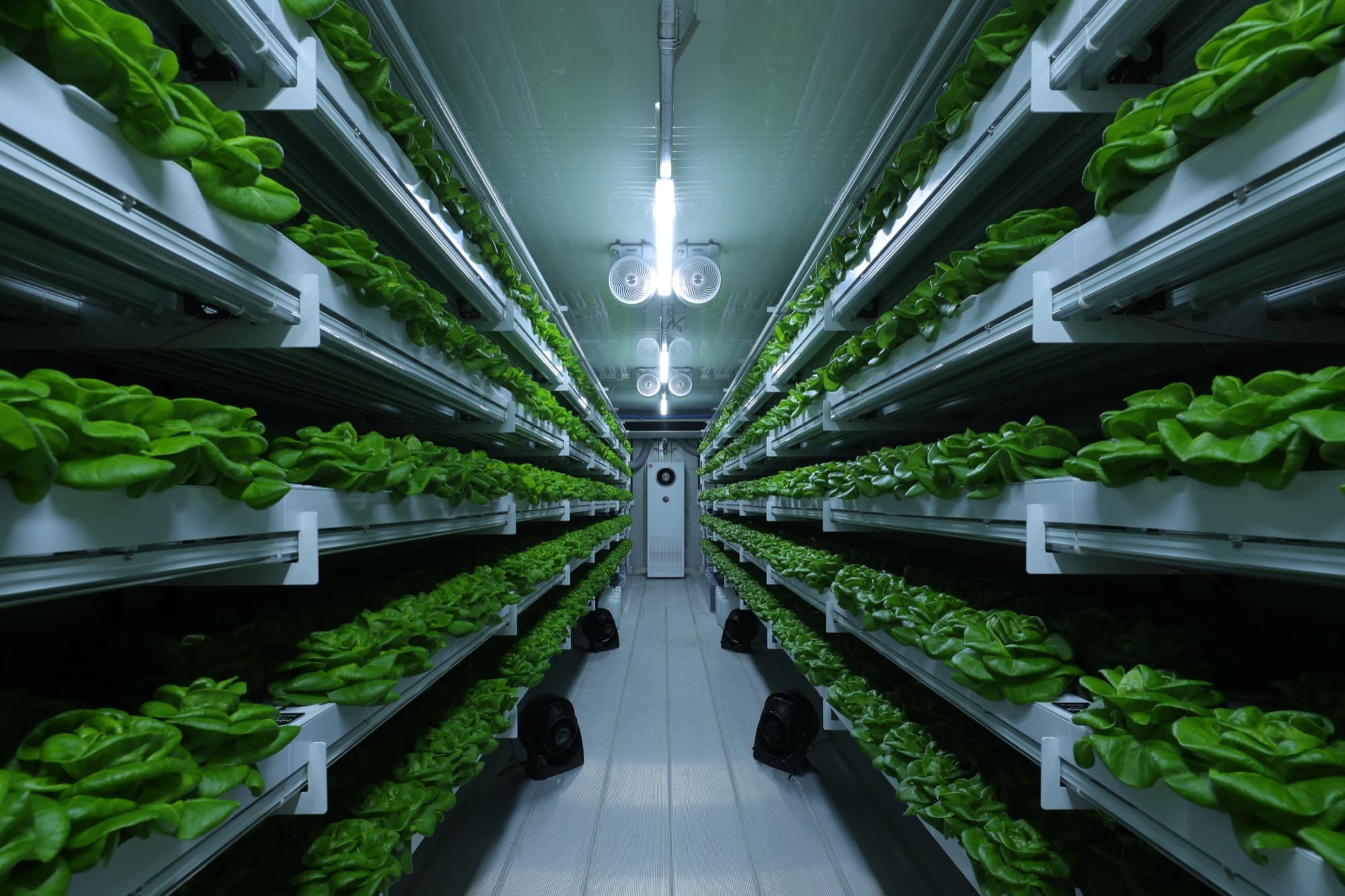
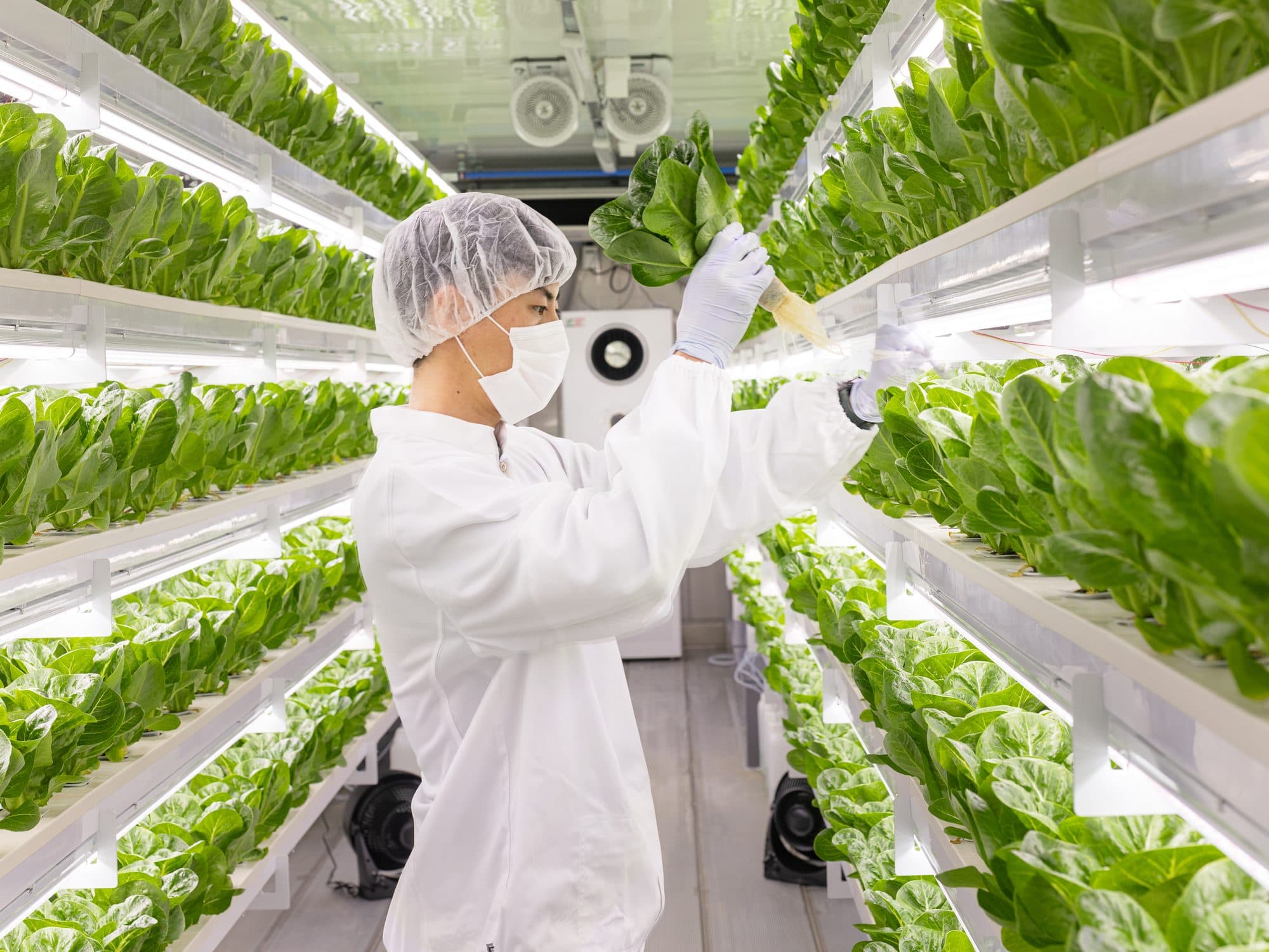
N.THING grows and supplies sweet basil and Thai basil directly. Basil grows in the same facilities as lettuce, but N.THING maintains a separate cultivation recipe for each crop. It creates an environment in which light, temperature, humidity, carbon dioxide, and nutrients are all controlled, and the data from one growing cycle is used to determine the settings for the next.
Harvested vegetables are shipped the same day. The more demanding a crop is after harvest — as basil is — the more its growing conditions and the time from harvest to shipment must be considered together.
You can see the crops N.THING grows and supplies on the Solutions page.