IndustryOctober 14, 2026
Even in the Age of AI, Food Still Has to Be Grown
Even in an era when AI handles so much of our work, food still needs soil, water, light, and time to grow. The number of people farming and the water available to them are both shrinking. Here's a look at the job agricultural technology has to do, and what N.THING is doing about it.
AI has begun writing our text, drawing our images, and writing our code. Just a few years ago, these were tasks we assumed only humans could do. Work that begins and ends on a screen will keep changing fast.
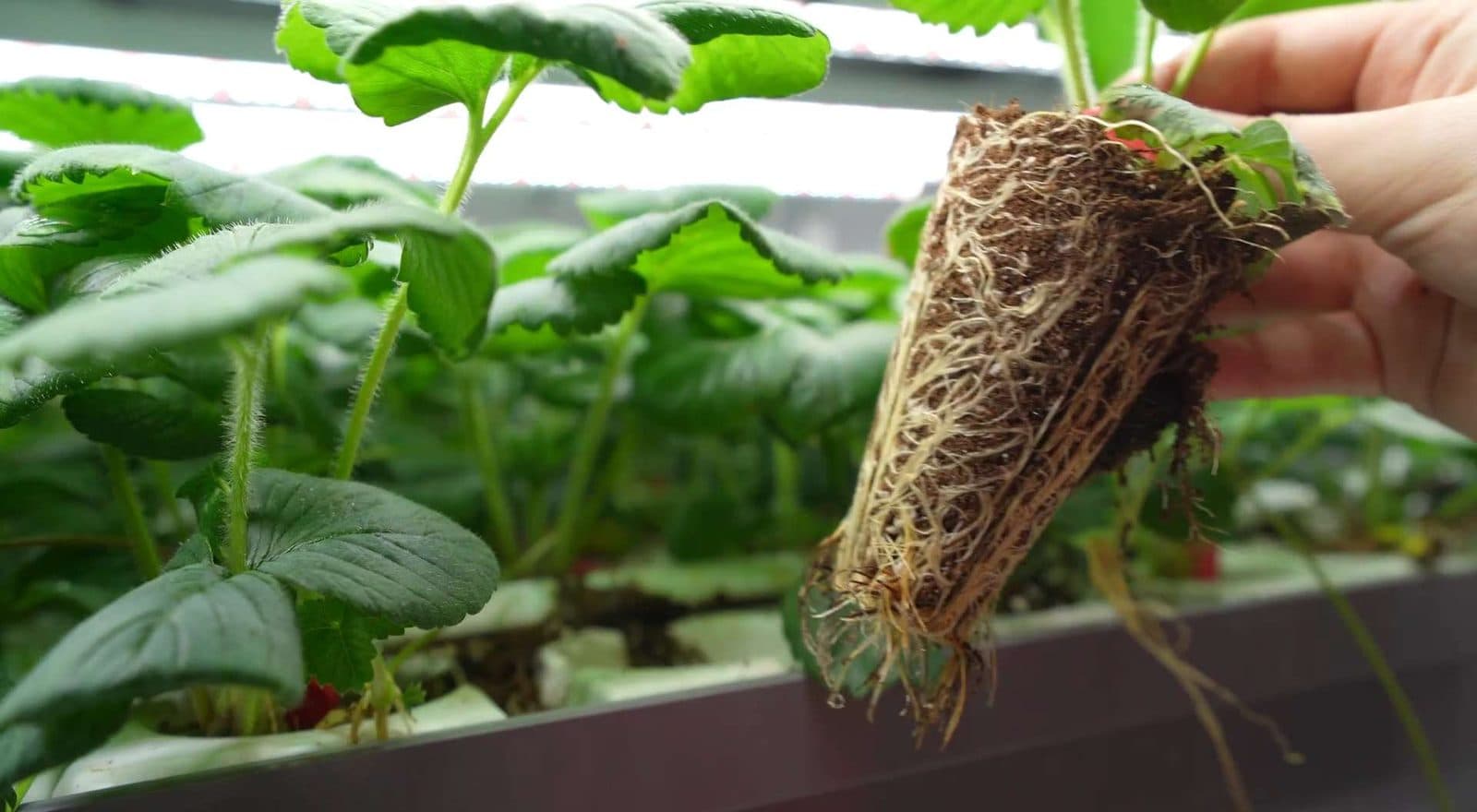
But some work doesn't end on a screen. Food is one of them. You can't download a head of lettuce. For a seed to sprout and grow leaves, it takes water, light, nutrients, and time. No matter how fast computation gets, you can't skip the time a plant needs to grow.
There are still places where food falls short
A report released this July by five UN agencies, including the Food and Agriculture Organization (FAO), estimates that in 2025, 7.8% of the world's population — roughly 645 million people — faced hunger. That figure has fallen for three consecutive years. Still, the report adds that this improvement is fragile and uneven across regions.
Food is not a problem that technology alone can solve. It is a problem that gets solved only by actually growing and actually delivering.
The people who grow it, and the water they use, are shrinking
Conditions on the growing side have not gotten any easier.
First, people. According to the 2025 Census of Agriculture, Forestry and Fisheries released this September by the Ministry of Data and Statistics, as of December 1, 2025, 51.0% of Korea's farming, forestry, and fishery household population is aged 65 or older. The median age of that population is 65.3. In other words, one in two people in farming, forestry, and fishery households has passed 65.
Water is the same story. FAO's water statistics release from last December reported that renewable water available per person has fallen another 7% over the past decade. The same release explains that agriculture is the world's largest water-consuming sector. When water runs short, agriculture is the first place to feel it.
The number of people to feed stays the same or grows, while the people who grow the food age and the water to grow it with dwindles. Whatever AI takes over, someone has to make this equation balance.
The job agricultural technology has to do
This is where agricultural technology's job becomes clear. There is no technology that eliminates what a plant needs to grow. What technology can do is make those conditions less volatile.
Agriculture is still tied to weather and land. Plant the same seed the same way and the result differs year to year, and that difference flows through to prices and supply. Human experience has been filling that gap — but the people who hold that experience are dwindling. That is why data and automation have to take over part of what experience used to do.
AI that works off the screen
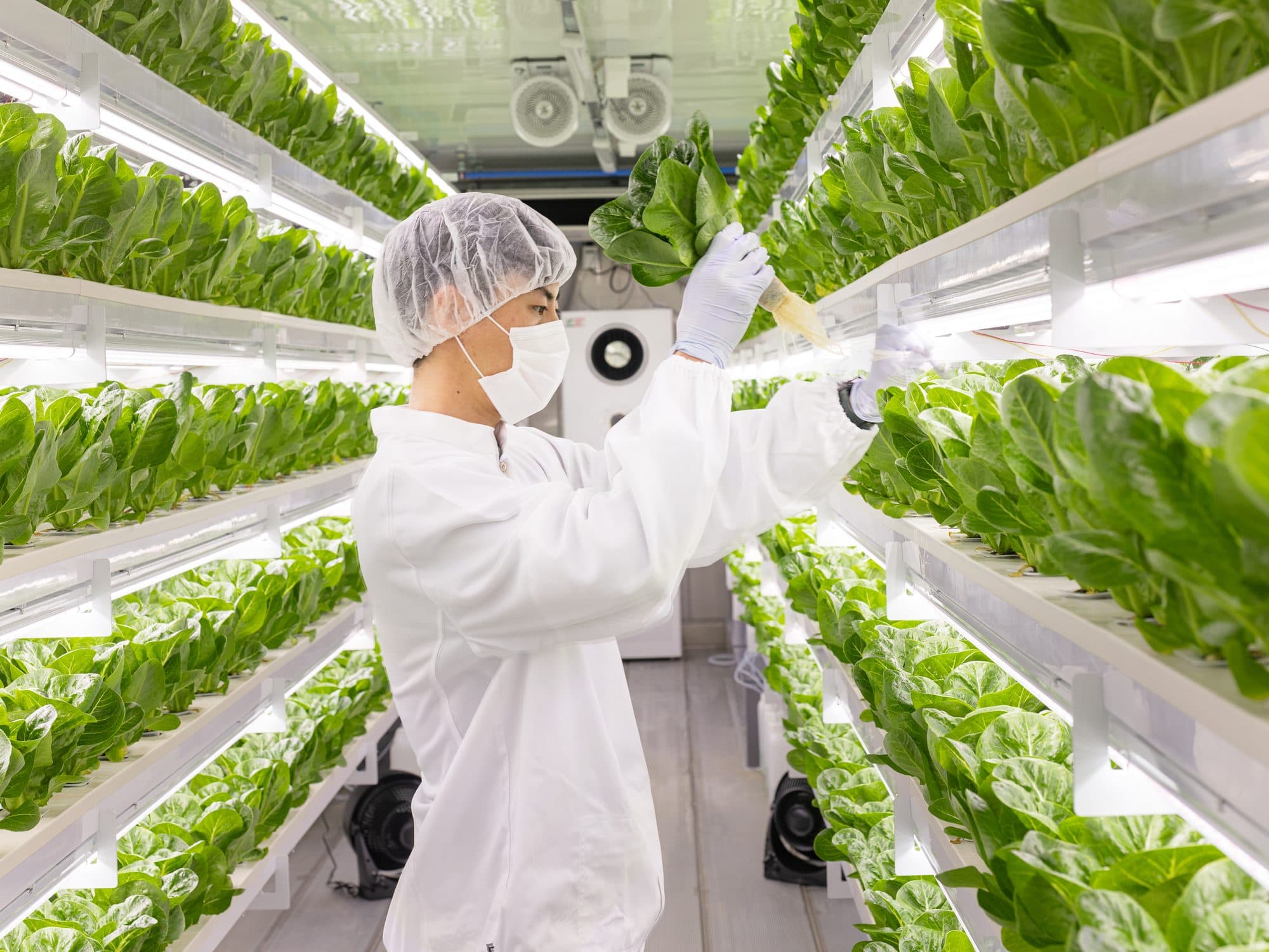
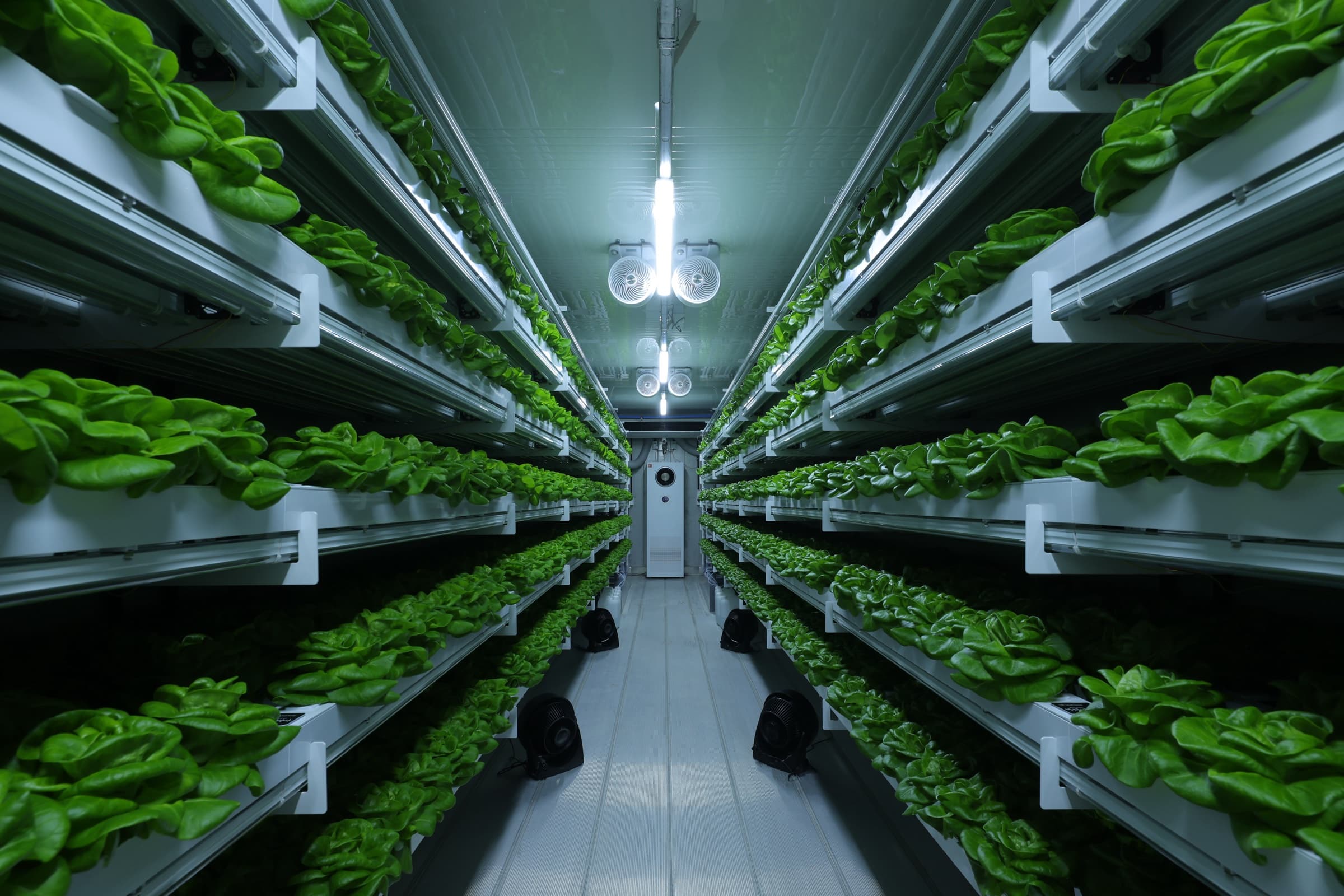
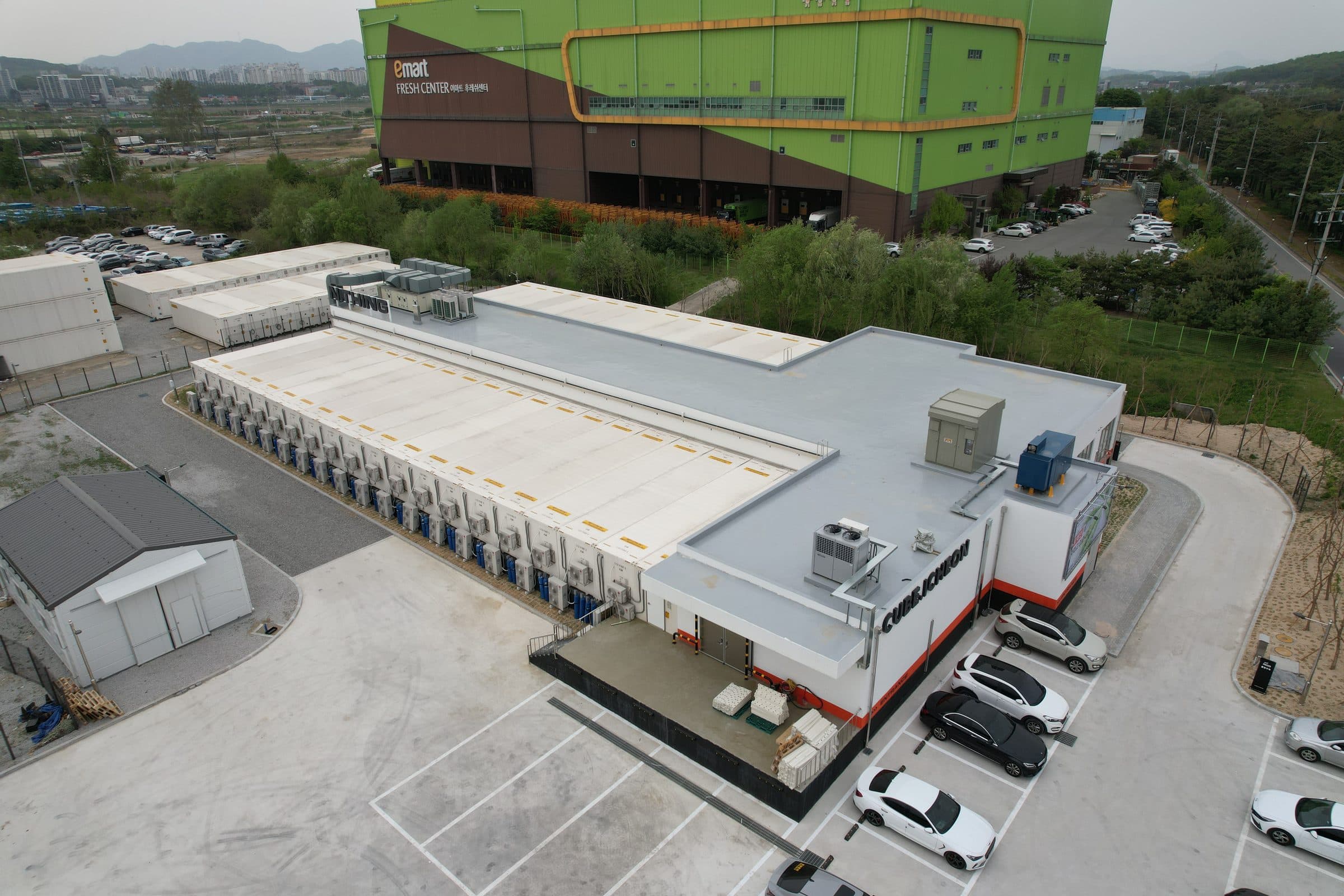
This is what N.THING does. Since 2014, N.THING has been standardizing the farm as a product. We assemble container modules to build farms, and grow crops of the same quality anywhere using the same operating system. CUBE.ICHEON in Icheon, Gyeonggi-do has 28 cultivation units.
What AI does on this farm is different from what a writing AI does. N.THING's AI doesn't stop at analyzing and recommending — it directly controls light, temperature, humidity, and nutrients to produce crops. It doesn't end with an answer on a screen; the lighting, the HVAC, and the nutrient solution actually move. We call this kind of AI Physical AI.
That doesn't make the time a plant needs to grow disappear. What changes is the variability. Conditions that once swung with weather and geography are held steady, and the results of each grow cycle are recorded as data that becomes the baseline for the next one. The more farms there are, the more data accumulates — and the less the next farm has to grope in the dark.
Eating remains
The more work AI takes over, the clearer it becomes what it cannot take over. People have to keep eating, and what they eat has to keep being grown. N.THING works on the side of making that work less volatile. That is where N.THING's goal of growing into a company that feeds the world comes from.
You can see N.THING's farms and cultivation technology on our Solutions and Technology pages.