TechnologyOctober 11, 2026
Why Strawberry Seedlings Are Raised Indoors
Strawberries propagate through stems rather than seeds, and their seedlings grow during the hottest part of summer. We look at why seedlings are the hard part of strawberry farming, and what changes when propagation moves indoors.
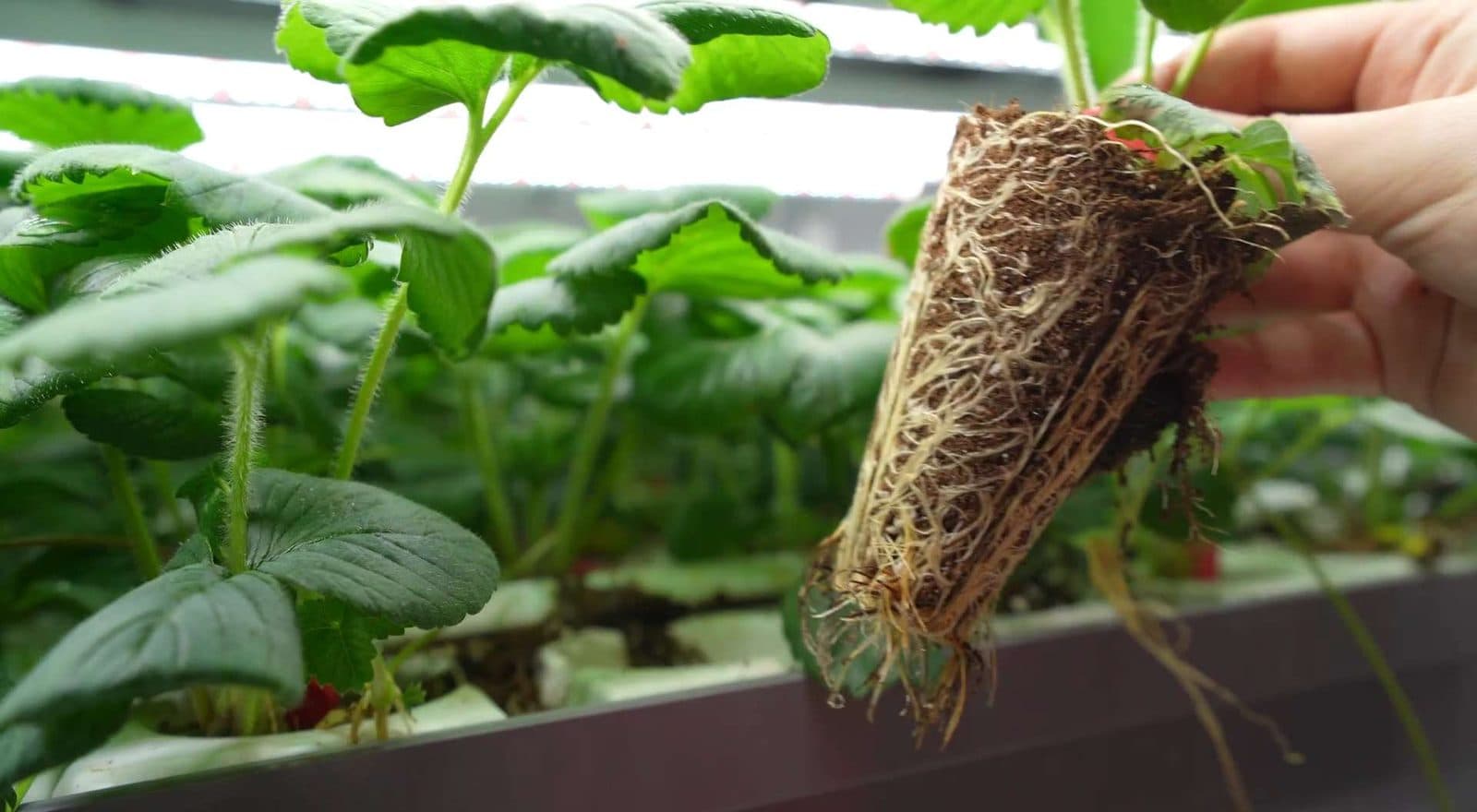
On September 30, the Rural Development Administration issued a press release titled "Expanding the Foundation for Exporting K-Strawberry Vertical Farms to the Middle East." It describes an initiative to help Korean-style strawberry vertical farms take root overseas by combining research results with on-site technical support. The word that stands out in the release is seedling propagation. The RDA wrote that producing strawberries stably in a vertical farm requires technology across the entire cultivation process—cultivar selection, seedling propagation, pollination, nutrient solution, and environmental control—and noted that the National Institute of Horticultural and Herbal Science had developed a container-type vertical multi-tier strawberry seedling system and environmental control technology, filing two patent applications.
Why do seedlings come up first in any discussion of growing strawberries? It comes down to the nature of the crop itself.
Strawberries propagate through stems
Lettuce is grown from sown seed. Strawberries are different. As the RDA explains, strawberries are a vegetatively propagated crop: runners extend from the mother plant to form daughter plants, and from those, further runners grow to produce the next generation of daughter plants. Because each plant gives rise to the next, if the mother plant is diseased, the daughter plants become infected as well.
Strawberry farming therefore begins with securing healthy seedlings. Plants raised through tissue culture and free of viral infection are called disease-free seedlings, and the RDA and local governments run programs to distribute them to farms. According to an RDA press release issued in October 2024, in Goryeong County, North Gyeongsang Province—a major strawberry-producing region—about 80% of farms raise their own seedlings, and they have faced yearly declines in productivity due to poor-quality seedlings.
Seedlings grow in summer
The second difficulty is timing. Following the schedule in the RDA's materials, winter strawberries, whose harvest begins in November or December, have their mother plants planted by late March, their daughter plants taken and raised in May and June, and are transplanted to the main field in early to mid-September. The seedling-growing period overlaps with the height of summer.
Temperatures rise inside summer greenhouses, and with that come more diseases and pests such as fusarium wilt, anthracnose, and phytophthora blight. The measures the RDA recommended in a press release in May 2022 were to lower light and temperature with shade netting, ventilate, precisely control the amount of water given to daughter plants, and disinfect farming equipment.
In short, strawberry seedling propagation presents two difficulties: disease passes from mother plant to daughter plant, and the seedlings must be raised in the season when temperature, light, and water are hardest to keep under control.
What changes when you move indoors
A vertical farm is a facility that maintains light, temperature, humidity, and nutrients at set values in a space sealed off from the outside. Instead of softening the outdoor weather with shade netting and ventilation, it sets the growing conditions for the seedlings themselves, independent of the season. Because shelves are stacked in multiple tiers, more seedlings can be raised on the same floor area. That is exactly what the name of the system developed by the National Institute of Horticultural and Herbal Science—"vertical multi-tier seedling propagation"—refers to.
Indoor propagation does not eliminate every problem. If a diseased mother plant enters the facility, the disease will still spread indoors. The requirement to start with clean seedlings remains unchanged. It is also an approach that consumes electricity and requires facilities. That said, seedlings are small, the growing period is fixed, and their condition during this stage determines the course of the cultivation that follows. Taking charge of the most environmentally sensitive period indoors is a use case well suited to vertical farming.
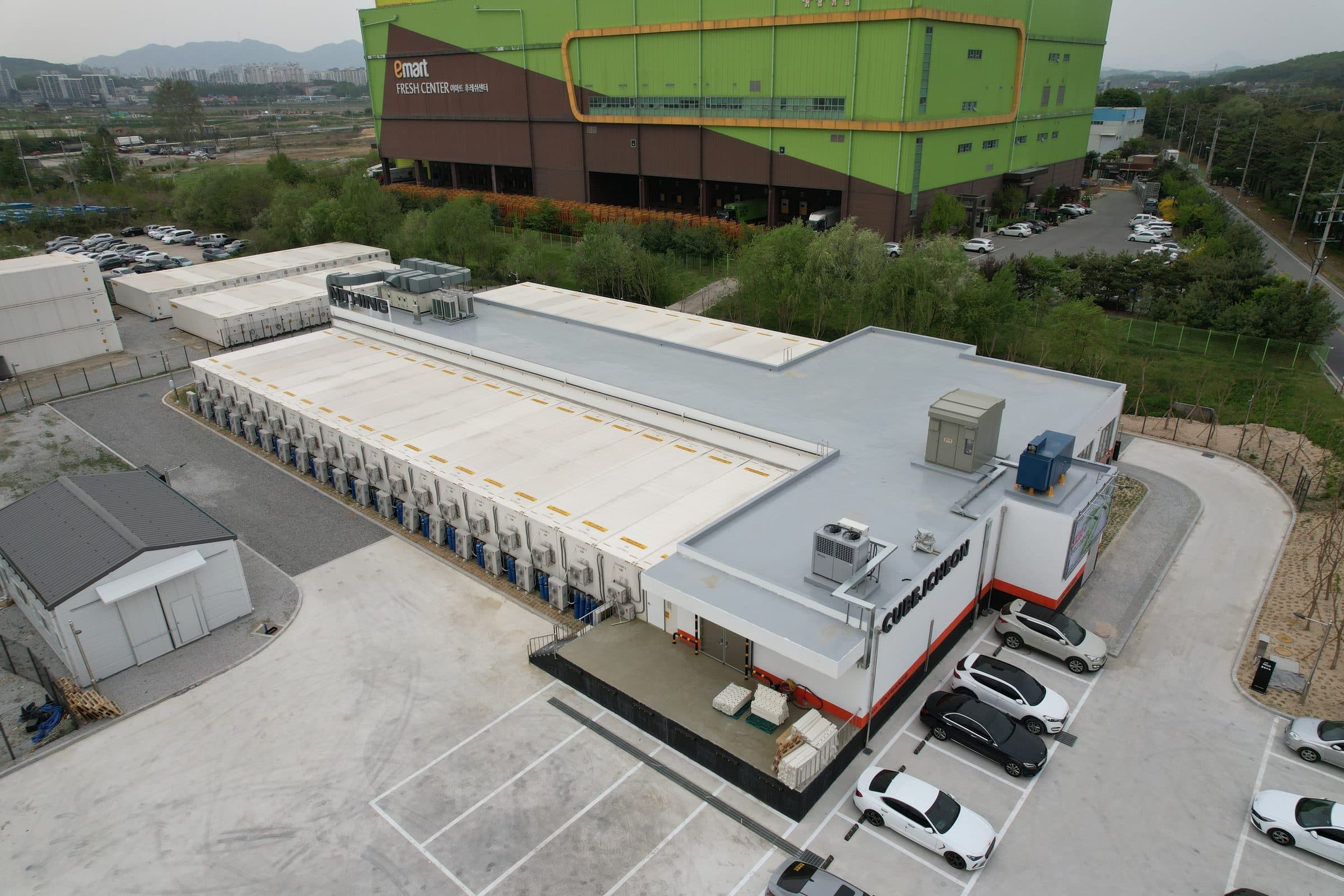
In 2025, N.THING built a mass-production facility for strawberry seedling propagation at the RDA's National Institute of Horticultural and Herbal Science. Our Icheon farm also has dedicated propagation buildings separate from the cultivation buildings. The work is the same: controlling light, temperature, humidity, carbon dioxide, and nutrients to produce uniform seedlings.
Winter strawberries have already been planted in the field, and the harvest will soon begin. The seedlings for those strawberries came through this past summer. Once you know which season is the hardest in strawberry farming, it becomes easy to understand why research into moving seedling propagation indoors continues.
You can learn more about N.THING's farms and cultivation technology on our Solutions and Technology pages.